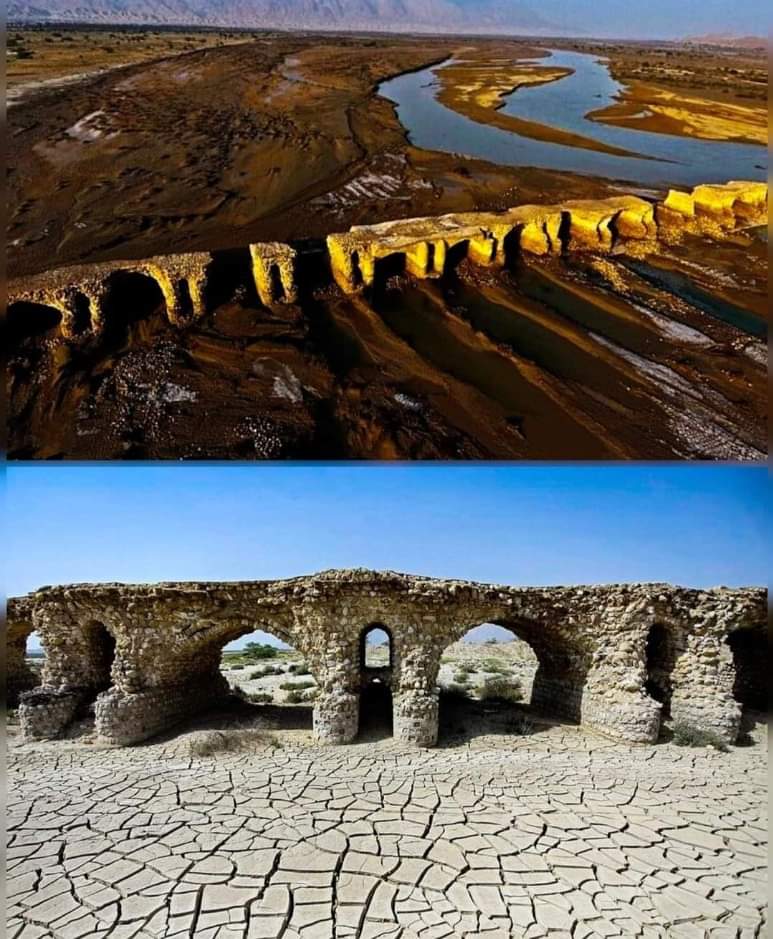
Latidan Bridge, a significant monument from the Safavid dynasty, stands as one of the most important structures in Iran’s Hormozgan Province. Built in 1627 under the reign of Shah Abbas, the bridge originally served a military function during the war against the Portuguese. Its construction utilized local materials and techniques designed to withstand the harsh climate and seasonal floods, making it a robust structure for moving troops and supplies. This strategic design reflects the military ambitions of the era.
LaHowever, after the conflict subsided, the bridge took on a new role, becoming an essential route for commerce and trade. This transition from a military asset to a bustling trade corridor highlights the bridge’s enduring importance and adaptability over the centuries. The shift from military to commercial use demonstrates the bridge’s flexibility and its crucial role in the region’s economic development.
 Diamond Thoughts
Leave a comment