One of the most common and widely used structures in construction is the concrete or RCC frame structure. Made from a skeleton of reinforced concrete, this structure is a framework of vertical members—columns—and horizontal members—beams. Flat members called slabs make up the floor and the sections on which we walk. With this basic information in mind, it is time to understand two major aspects of RCC structures: what exactly reinforced concrete or RCC is made of, and the importance of beams, columns, and slabs.
Reinforced Concrete (RCC)
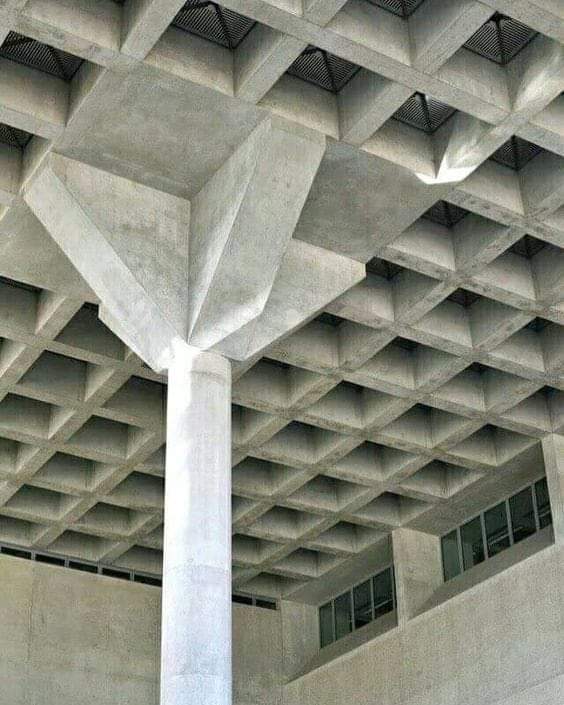
What is referred to as ‘concrete’ in the world of building is actually reinforced concrete or reinforced cement concrete (RCC), a combination of concrete and steel reinforcement bars known as rebars. Ductile, tensile, and elongated, steel rebars impart strength to the framework and reinforce it against wear and tear and threats to structural integrity.
The concrete used in any RCC framework is a combination of varying proportions of cement (Portland or hydrophobic), gravel, sand, and water. This mixture in itself needs to be exact and suitable depending on the type of construction, e.g., a 2-storey home, a high-rise building, etc. Easy to mix on-site, this concrete liquid is poured into a mold called ‘formwork’ until it hardens, which is usually in a few short hours but may require up to a month to be at its strongest. It is easy for the concrete to crack as it hardens, which is why it is necessary to cure the concrete and prop up the structure as it hardens.
Beams, Columns & Slabs
As stated above, beams are horizontal sections, columns are vertical, and slabs are the horizontal sections that make up the flooring. While columns are the primary load-bearing element of the framework, beams and slabs are the secondary elements. If a beam or slab is under stress, only a part of the structure is affected. However, if a column is damaged or under stress, it can affect the entire building and cause it to collapse!
For more insightful content on construction and engineering, follow my page!
 Diamond Thoughts
Leave a comment