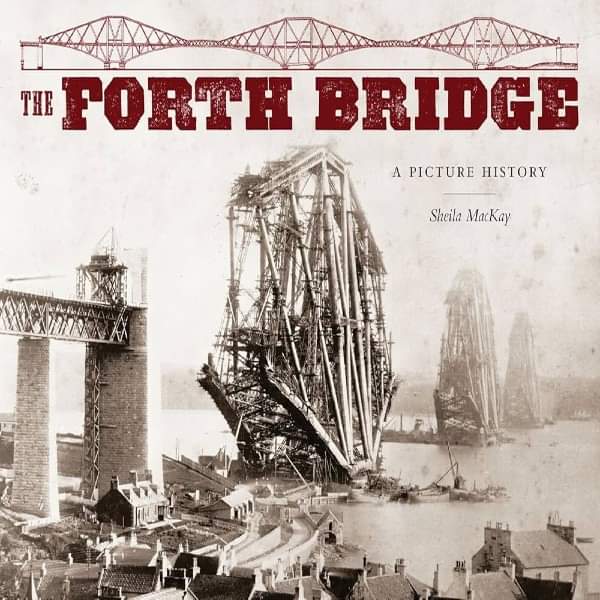
The Forth Bridge, an iconic cantilever railway bridge spanning the Firth of Forth in Scotland, stands as a marvel of Victorian engineering. Conceived in response to the collapse of the Tay Bridge in 1879, it was designed by Sir John Fowler and Sir Benjamin Baker. Construction began in 1882, involving over 4,500 workers and a vast quantity of steel, a relatively new material for that era.
Opened on March 4, 1890, by the Prince of Wales, the bridge stretches 8,094 feet (2,467 meters) and comprises three double cantilevers connected by two central girders. It was the longest cantilever bridge in the world at the time and remains one of the most recognizable structures globally.
Built to withstand extreme weather conditions and the rigors of constant use, the bridge’s robust design was validated when it survived several severe storms. Over its lifetime, it has undergone numerous maintenance efforts, including a major restoration completed in 2011, ensuring its functionality and iconic status.
Recognized as a UNESCO World Heritage Site in 2015, the Forth Bridge remains a symbol of Scotland’s industrial heritage and engineering prowess, continuing to serve as a vital rail link and a testament to human ingenuity.
 Diamond Thoughts
Leave a comment